By Emily Ellis
Fashion and Lifestyle magazine Vogue was created in 1892 by American Business man Arthur Baldwin Turnure. It started as a weekly newspaper that aimed to be more than just a fashion magazine. Themes on society, health,beauty, travel and sport are what make the magazine diverse and interesting to read. It has evolved a huge amount over time and has become one of the most well-known magazines in the world. The first issue was launched on December 17th and cost 10 cents (which is the equivalent to $2.72). This was reasonably expensive for the time as the magazine aimed to target New York’s upper class. The style of Vogue is very iconic and timeless therefore, it has remained current and popular for decades.
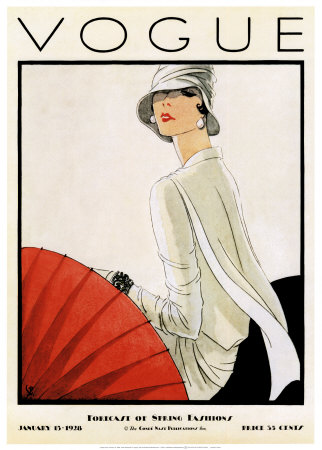
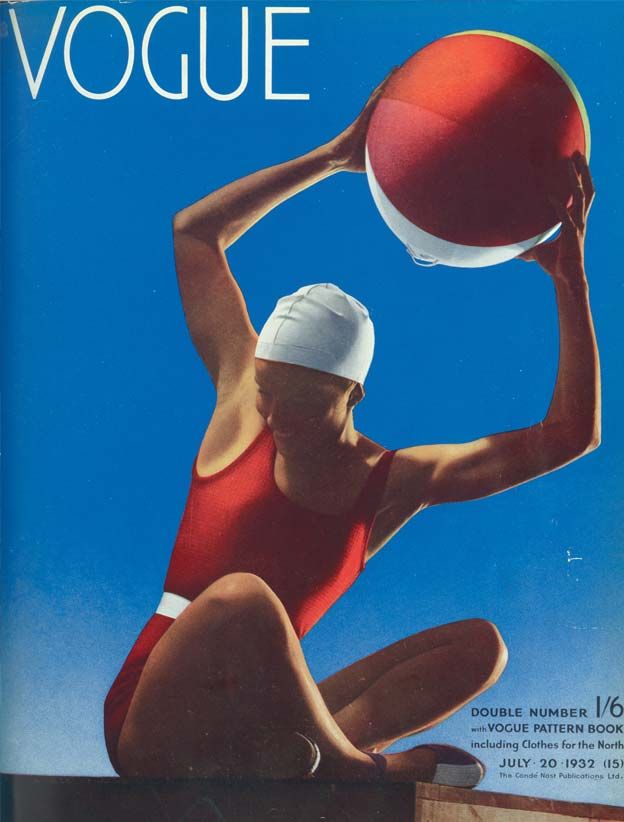
Vogue evolved in 1909 when it was bought by Condé Nast, a mass media company. This meant that they were able to reach a wider market and produce higher quality magazines. Vogues covers are a particular attraction which makes them popular and sells them to the customer. From 1909 to 1940 the covers always incorporated the title, ‘VOGUE’, into the cover image. His made the designs eye catching and different from other magazines.The creativity involved in the covers shows that Vogue is a very trendy and modern magazine for its time. Whilst keeping the magazine design consistent over the years, each cover is also very unique and original. This makes it exciting to see a new edition of the magazines and will make readers more likely to commit the subscriptions of the magazines. Social and political factors also affected Vogues success for example, in the Great Depression and World War 2 subscriptions to the magazine increased. A change in style to the covers occurred when Mehemed Fehmy Agha became art director in 1929. He was able to apply modern technologies and features to Vogue, such as full bleed images. Taking over hand illustrated images, the first colour photograph edition of Vogue was launched in 1932 which created a new style within Vogue’s aesthetics. Vogue was, and continues to be, a huge trend setter so by them beginning to use fashion photography, there was a decline in fashion illustrations. Potentially the most iconic change that Agha made was changing the ‘VOGUE’ title to a sans-serif font to make it appear much more modern and simplistic. This then also affected the choice of cover images as they also became more simplistic and abstract. A feature that is still used to this day in many magazine layouts is the use of a double page spread. Agha was also the creator of this feature within Vogue and it allows the magazine to place more emphasis on certain articles or adverts.
Fashion in the 60s is strongly recognisable is a style that is even brought back every so often in modern society. Vogue’s covers of this time period start to look more like they do in the 21st century.Even the content of them in this time period changes; articles began to include talk on sexuality, contemporary fashion and even features pieces from boutique shops in the East Village. As Vogue initially targeted the upper class this is quite contrasting as the East Village is a more urban and lower class area. The style of Vogue changed and became quirkier and meant that less well known fashion brands were used in their magazines. Therefore the target market was wider and meant the magazine could grow to appeal to more people. This would also occur due to their variation in articles and content features.
Up until 1973 Vogue has continued to be a weekly magazine;however, a fall in demand meant that editor in chief, Grace Mirabella, changed the publication to be monthly. The magazines became better value for money and included more articles which would last the readers almost a month so that they would be waiting and wanting to buy the next edition. However, the changes Mirabella made began to be seen as unpopular so Anna Wintour replaced her in an attempt to build Vogue’s following up again. At this time competition from other magazines created problems for Vogue as their ideas no longer seemed original. Elle is a magazine which is very close in style and layout to Vogue however;it has not been around for as long. Wintour’s approach encouraged displaying fashion items that were affordable and aimed to target a younger audience. She managed to rebuild Vogue and remains the editor-in-chief to this day, while Vogue is the most successful fashion magazine.
Vogue is a hugely influential magazine, not just in terms of fashion. They have made political, economic, technological and social differences to society which makes them hugely to powerful in the business world. The style of Vogue has developed lots over time and it is very interesting to see how the decades have changed it. New methods of printing and technology are a large factor in Vogues evolution and making it a high quality magazine. Overall, Vogue started off as a very innovative idea; however, in recent years it has become easier for competitors to copy a similar style to Vogue and potentially do it with ground-breaking ideas. For now, Vogue remains to be very successful, although they will have to keep developing their magazine powerfully to keep up with competition.
References
https://www.moma.org/interactives/objectphoto/publications/788.html

 Archival Project