ID: F042 DATE: 1936 to 2000
TITLE: LIFE CLIENT: Time Inc., US
DESIGNER: Various CATEGORY: Magazine and Newspaper
Life is an American magazine which began in 1883, its main focus was on photography. It was influenced by other magazines such as Berliner Illustrierte Zeitung (a German publication). The magazine was released on a weekly basis and was produced by publisher and editor Henry Luce who had also been responsible for creating TIME magazine in 1923 and subsequently Fortune magazine in 1930. Luce took over LIFE in 1936. It was sold for 10 cents a copy,which made them a loss. The first issue was a 50 page spread packed with photographs and corresponding text. The cover contained a picture of the Fort Peck Dam by Margaret Bourke-White. A bright red banner was also on the cover which made it very distinctive looking. The ‘LIFE’ text was also on a red colour fill to make it stand out in white sans serif capitals. This remained the LIFE logo/branding on the magazine and has only been changed once when it was printed in white on black to mark the death of President John F. Kennedy.

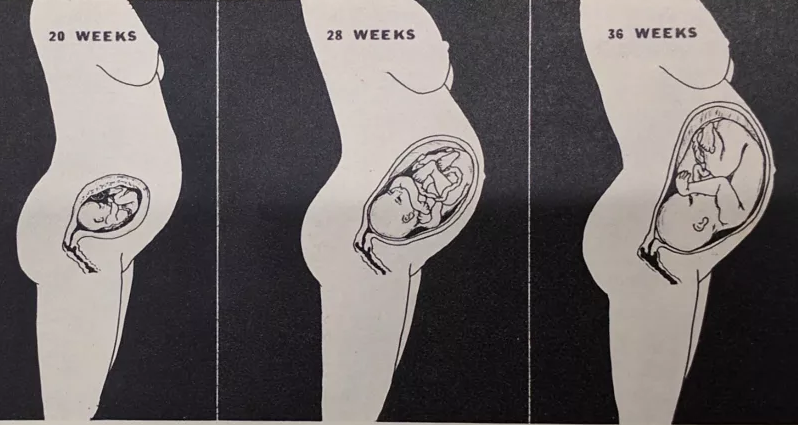
By 1938, Life was facing bankruptcy. It was saved by a controversial issue in April 1938 with the subject matter of a banned film called ‘The Birth of a Baby’. The magazine showed stills from the film and illustrations of babies in the womb. The purpose of this film was to educate the public on childbirth and motherhood. At the time of the film’s release 12,000 women were dying a year during childbirth. This film was meant to help change this figure however it upset the public as talking about such matters was taboo at the time. Life did a five-page spread on this film and found themselves in court over indecency charges since some images were considered explicit. As soon as it was released copies were seized all over America. At least 45 cities and a few counties tried to prevent the sale of the magazine. However, it was the controversial nature of this issue that made sales spike and eventually helped save the magazine from the financial issues they were facing.
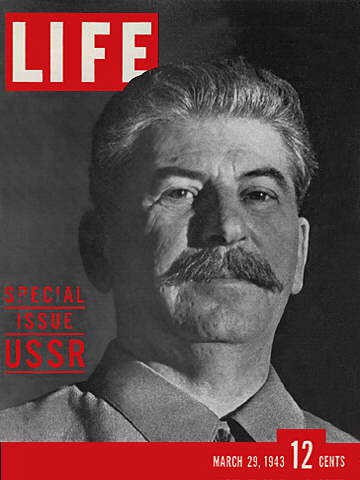
In 1943 Life published an issue on the USSR, with a unique and exclusive insight into the work of the Russian people. The front cover depicts a close up portrait of Stalin with a smug grin on his face. The opening line introduces the special issue saying ‘Maybe the Russians won’t like it, not because it is critical but because we don’t always put things the way they would’. At the time of this issue’s release, the USSR were not on good terms with Life as they believed some of their captions were unfriendly towards the USSR. Another struggle for Life while writing this issue was the dire lack of photographers available in Russia and almost no film to use either. Life Magazine’s one off special on the USSR is one example of Life’s desire to break boundaries to tell stories other magazines won’t.
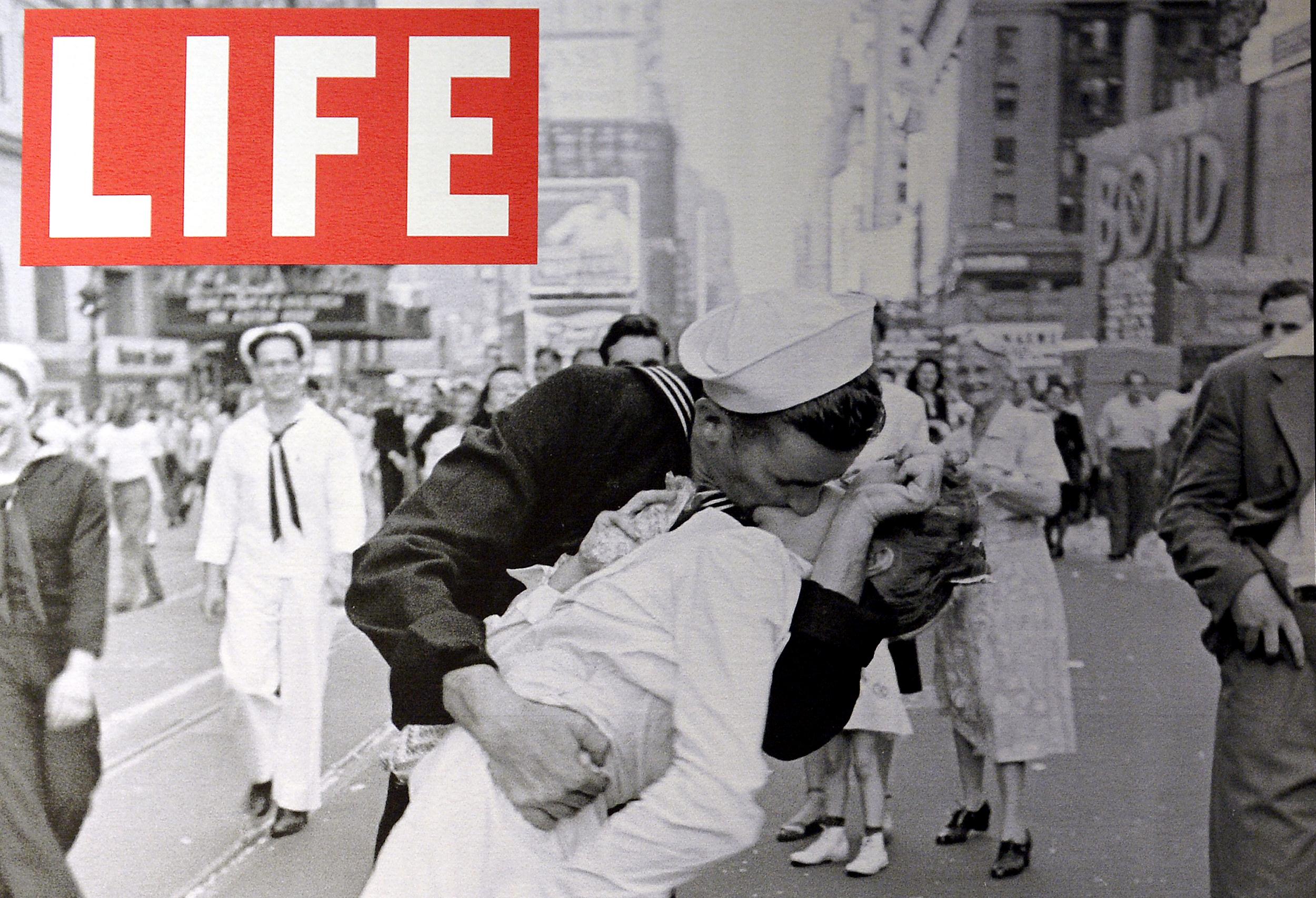
During the war, Life was also famous for telling the story of many soldiers. One photographer named Robert Capa took photos of the D-Day landings in Normandy. This particular issue was so popular that enemy propaganda could be seen imitating Life’s layout and focus on photography. As Life magazine’s key focus was on strong and powerful photographs, editor Henry Luce made sure to hire famous and significant photographers to get the best shots. The famous shot of a sailor and a nurse kissing in Times Square in New York was taken by Alfred Eisenstaedt for Life magazine and it remains one of the most iconic photos of all time. The joy of the war ending captured in one simple photograph.
Life magazine started using a traffic light grading system when they started to do movie and theatre reviews. Anything deemed successful was given a green light and bad reviews were marked by a red light. Any mixed opinions were given amber.
From Life came various other publications such as Focused, Pic, and Look, which sadly all ceased to exist when television rose to prominence in the 1960s. By 1970, Life stopped publishing on a weekly basis.They went down to publishing twice a year before beginning to publish monthly by 1978. By 2004, Life a magazine had become a supplement magazine, accompanying papers such as the Washington Post. It was a weekly magazine between 2004 and 2007. In 2007, Time Inc announced they would no longer be producing the magazine physically, however the website would continue.
I believe although time magazine has stopped publishing,their iconic branding and powerful way of capturing history through the use of photography still influences creative people today to tell important stories in this way.
References: http://time.com/4176199/soviet-youth-summer-photos-bill-eppridge/
https://pictorial.jezebel.com/the-random-quarter-that-landed-life-magazine-in-court-f-1794424026

 Archival Project